


Dog gyms are emerging as a distinct segment of the pet‑wellness market, blending exercise, social interaction and health services in one location.
Rise of Specialized Fitness Centers for Dogs
In the United States, a franchise called Zoom Room recently hired Darris Cooper as Director of Training and Socialization. He will head the company’s training programs and expand its socialization methods.
Cooper notes that owners increasingly see a daily walk as insufficient. He says under‑stimulated pets are more prone to behavioral issues.
“A dog that has been positively exposed to dozens of other dogs, people, sounds, surfaces and contexts in a structured environment is a dog that can go anywhere with their owner, as they become confident through repeated, controlled exposure to novelty,” he tells GlobalPETS.
The largest client group consists of puppies 8‑16 weeks old, a period owners target to take advantage of the socialization window. Adolescents aged 6‑18 months follow, when problems often surface. Adult dogs now form the fastest‑growing segment, driven by owners looking to close socialization gaps.
Demand clusters in urban and inner‑suburban neighborhoods where limited yard space makes indoor training appealing.
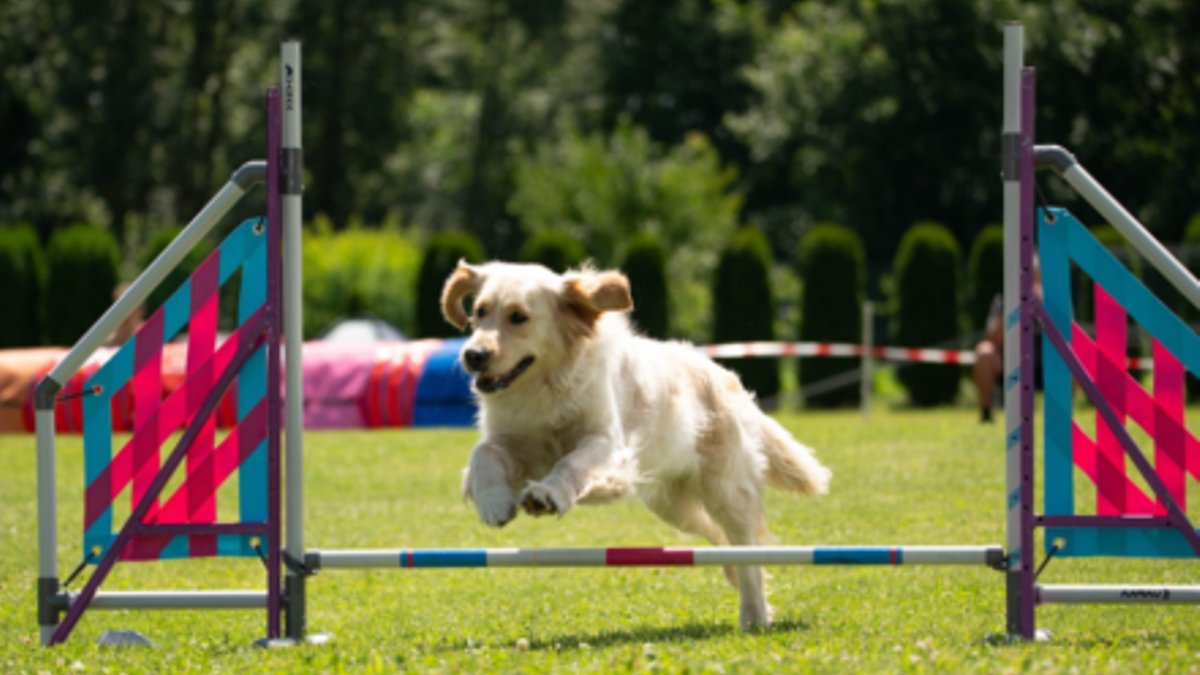
Repeat visits and agility classes are gaining traction.
Mobile Solutions Fill the Gaps
Stefanie Zwegers, who runs Bend Barks & Rec, launched a climate‑controlled mobile dog gym in Oregon earlier this year. The service brings a 30‑minute fitness session to a client’s home or workplace, using a non‑motorized slatmill built for dogs.
“Most unwanted behaviors are simply due to extra energy with no healthy outlet. When dogs receive proper exercise and stimulation, they become calmer, happier and more fulfilled at home,” Zwegers tells GlobalPETS.
Another Oregon operator, UpDog Mobile Dog Gym, began offering private at‑home workouts in the Eugene‑Springfield area in October 2024.
It also runs pop‑up events at pet stores and provides a pick‑up service once dogs are comfortable with the mobile equipment.
The mobile model addresses smoke season, extreme weather, busy schedules and modern lifestyles that limit regular outdoor activity.
By delivering workouts directly, owners can keep pets active without reshuffling daily routines, which is especially beneficial as more families adopt flexible work arrangements.
Global Expansion Signals New Market
Outside North America, dedicated canine fitness centers are appearing. Gogogym opened in Shanghai’s West Bund district in 2025, offering fitness, rehabilitation, hydrotherapy and massage in personalized programs.
In the Netherlands, Terra Agility & Fitness introduced a Puppy Academy in 2026, blending early‑life fitness with behavior work.
Germany’s HuffysFIT brands itself as a leading dog‑fitness chain, adding underwater treadmill training, muscle building and weight‑management classes.
Brazil sees similar moves, with São Paulo’s Dog Sports pet school focusing on conditioning, balance and coordination.
As supply grows, they appear more willing to view fitness and enrichment as essential for both physical health and emotional wellbeing.
Dedicated dog gyms remain a niche, but the combination of brick‑and‑mortar centers, mobile units and rehabilitation studios points to a market that values personalized, data‑driven care for pets, much like human sustainable sparkle with lab-grown gems.

