


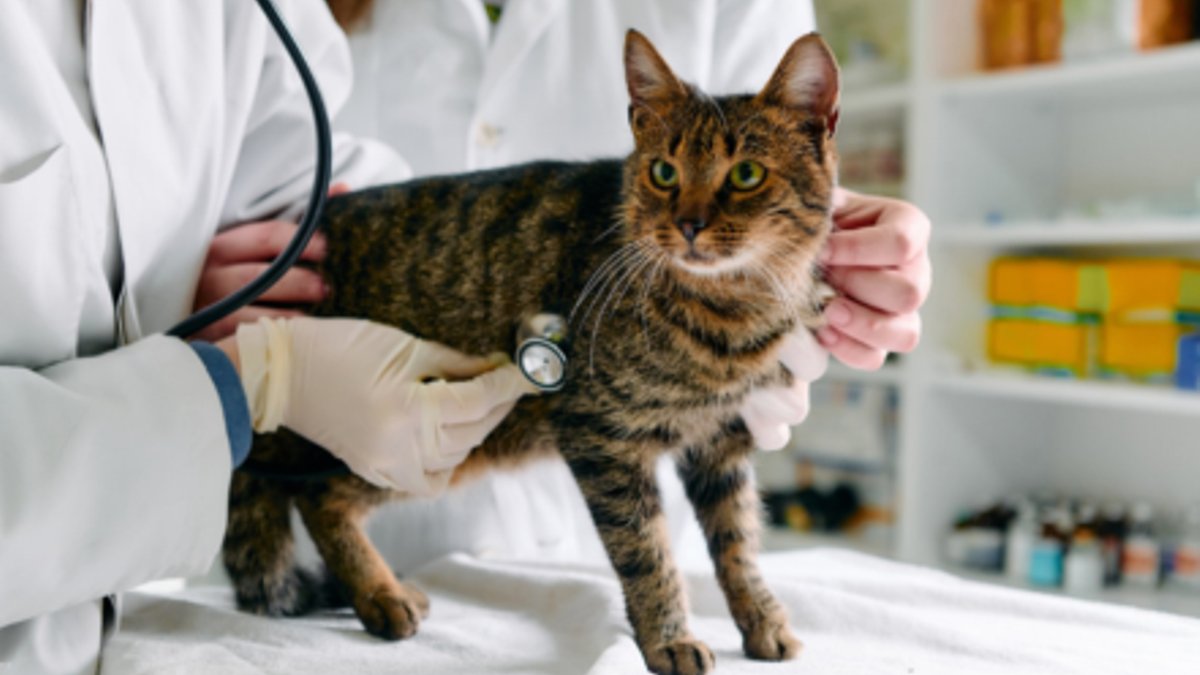
Clinical visits for cats in the United States have outpaced overall veterinary trends between 2023 and 2025, even as total pet health visits decline across the country. While the general market contracts, the feline sector is expanding, reaching a record share of interactions at veterinary practices.
Cats claim a larger slice of the market
The non‑profit CATalyst Council published a report showing that cat clinical visits grew every quarter from the first quarter of 2023 through the fourth quarter of 2025. During this 12‑quarter span, feline visits outperformed all‑species visits by an average of 3.2 percentage points per quarter. The data comes from transaction records of 19,000 US veterinary practices, weighted by size and region.
Market share for cats has climbed steadily since 2020. The figure hovered between 20% and 21% during the 2020‑2022 period. From 2023 onward, this share increased, reaching an annual average of nearly 23% in full‑year 2025. In the fourth quarter of 2025 alone, the market hit a record quarterly high of 24.7%, meaning cats accounted for nearly one in four clinical interactions.
Despite this growth, the feline market remains smaller than the canine market. The cat sector is valued at $12.7 billion, compared to $48 billion for dogs. However, the feline segment is growing faster. The report notes an average annual growth rate of 9% for cats versus 7.5% for dogs.
Underlying this shift is a broader pattern of rising cat ownership and deeper engagement with veterinary care. More households are adding feline companions, and owners are increasingly proactive about preventive services, vaccinations, and routine check‑ups. That heightened involvement translates directly into a larger proportion of appointments being devoted to cats, even as the total number of veterinary visits across all species trends downward.
CATalyst Council’s analysis also highlights that the upward trajectory in cat visits occurs alongside a contraction in overall veterinary volume. The dual effect—continued expansion of feline appointments paired with a shrinking total pool—creates a distinctive market dynamic where cats command an ever‑larger slice of a diminishing pie.
Price inflation drives visit value
Revenue per kitten visit in 2025 stood at $162, virtually identical to the $161 generated per puppy visit. This represents a major shift from 2018 and 2019, when puppy visits typically yielded $3 to $5 more per interaction. The gap has narrowed steadily since 2020, closing by 2022.
Related: Buddy Bites raises $4.2M for Taiwan expansion
The CATalyst Council attributes this convergence to rising prices rather than changes in treatment types. Veterinary inflation in the US is running at about 7% year‑over‑year, roughly three times the rate of overall consumer inflation. This price increase has driven up the value of both cat and dog visits, bringing the two species closer in terms of revenue per clinical interaction.
Each additional cat clinical visit generates approximately $246 in clinical revenue. This financial driver has led to strong investment in feline care by veterinary practices. The CATalyst Council notes that the industry is at an inflection point where future growth depends on how well it serves cats and their owners.
The report further explains that the rise in per‑visit revenue is not the result of a dramatic shift in the mix of services offered. Instead, the increase stems from higher fees for the same core procedures—examinations, diagnostics, and routine treatments—applied uniformly across species. Because the fee structure has risen sharply, the economic incentive for clinics to allocate more resources, staff time, and specialized equipment to feline patients has grown substantially.
Practices are responding by expanding cat‑focused services, such as dedicated feline examination rooms, specialized grooming stations, and staff training programs aimed at handling the unique behavioral cues of cats. These investments reinforce the cycle of higher visit values and greater owner willingness to seek care, further solidifying cats’ position in the veterinary marketplace.
“What we’re seeing is not a short‑term fluctuation but instead, it appears to be a structural shift in veterinary medicine,” says Gina Fortunato, Executive Director of CATalyst Council. Her observation shows that the momentum behind feline care is rooted in lasting changes to owner attitudes, pricing structures, and practice strategies, rather than a temporary spike.
Looking ahead, the council stresses that sustaining this growth will require continued emphasis on owner education, affordable preventive programs, and the development of cat‑centric service models. As the sector approaches a key juncture, the ability of veterinary businesses to adapt to the evolving expectations of cat owners will determine whether the upward trend solidifies into a new baseline for the industry.
